GüNTER GRASS SERIES:

Of All That Ends

Of All That Ends

Günter Grass

Günter Grass

Allen Zumutungen des Alterns und der 'Endlichkait' zum Trotz, plötzlich erscheint erneut fast alles möglich: Liebesbriefe, Selbstgespräche, Eifersuchtsdramen, Schwanengesänge, Gesellschaftssatiren und Augenblicke des Glücks drängen aufs Papier. Plötzlich findet rhythmisierte Kurzprosa ein vielstimmiges Echo in episch wuchernden oder pointiert zugespitzten Gedichten. Plötzlich entstehen sinnenfrohe Doppelstücke, die vom Zeichner ins Bild gesetzt, weitererzählt oder auf den Doppelpunkt gebracht werden. So traurig und gewitzt, so lebensklug und doch kämpferisch kann nur ein in die Jahre gekommener Künstler ans Werk gehen, der dem Tod wiederholt von der Schippe gesprungen ist. Zahlreiche berührende Geschichten bringt er hervor, verdichtet sie zu kunstvollen Miniaturen, die hier und jetzt spielen. In 'Vonne Endlichkait' schafft der Literaturnobelpreisträger in einem beeindruckenden Wechselspiel aus Lyrik, Prosa und Illustration sein letztes Gesamtkunstwerk.
Read online
  • 1 170
The Flounder

The Flounder

Günter Grass

Günter Grass

It all begins in the Stone Age, when a talking fish is caught by a fisherman at the very spot where millennia later Grass's home town, Danzig, will arise. Like the fish, the fisherman is immortal, and down through the ages they move together. As Grass blends his ingredients into a powerful brew, he shows himself at the peak of his linguistic inventiveness. Translated by Ralph Manheim. A Helen and Kurt Wolff Book
Read online
  • 1 071
Peeling the Onion

Peeling the Onion

Günter Grass

Günter Grass

In this extraordinary memoir, Nobel Prize-winning author Gunter Grass remembers his early life, from his boyhood in a cramped two-room apartment in Danzig through the late 1950s, when The Tin Drum was published. During the Second World War, Grass volunteered for the submarine corps at the age of fifteen but was rejected; two years later, in 1944, he was instead drafted into the Waffen-SS. Taken prisoner by American forces as he was recovering from shrapnel wounds, he spent the final weeks of the war in an American POW camp. After the war, Grass resolved to become an artist and moved with his first wife to Paris, where he began to write the novel that would make him famous. Full of the bravado of youth, the rubble of postwar Germany, the thrill of wild love affairs, and the exhilaration of Paris in the early fifties, Peeling the Onion -- which caused great controversy when it was published in Germany -- reveals Grass at his most intimate.
Read online
  • 956
The Box: Tales From the Darkroom

The Box: Tales From the Darkroom

Günter Grass

Günter Grass

“Once upon a time there was a father who, because he had grown old, called together his sons and daughters—four, five, six, eight in number—and finally convinced them, after long hesitation, to do as he wished. Now they are sitting around a table and begin to talk . . .” In an audacious literary experiment, Günter Grass writes in the voices of his eight children as they record memories of their childhoods, of growing up, of their father, who was always at work on a new book, always at the margins of their lives. Memories contradictory, critical, loving, accusatory—they piece together an intimate picture of this most public of men. To say nothing of Marie, Grass’s assistant, a family friend of many years, perhaps even a lover, whose snapshots taken with an old-fashioned Agfa box camera provide the author with ideas for his work. But her images offer much more. They reveal a truth beyond the ordinary detail of life, depict the future, tell what might have been, grant the wishes in visual form of those photographed. The children speculate on the nature of this magic: was the enchanted camera a source of inspiration for their father? Did it represent the power of art itself? Was it the eye of God? Recalling J. M. Coetzee’s Summertime and Umberto Eco’s The Mysterious Flame of Queen Loana, The Box is an inspired and daring work of fiction. In its candor, wit, and earthiness, it is Grass at his best.
Read online
  • 748
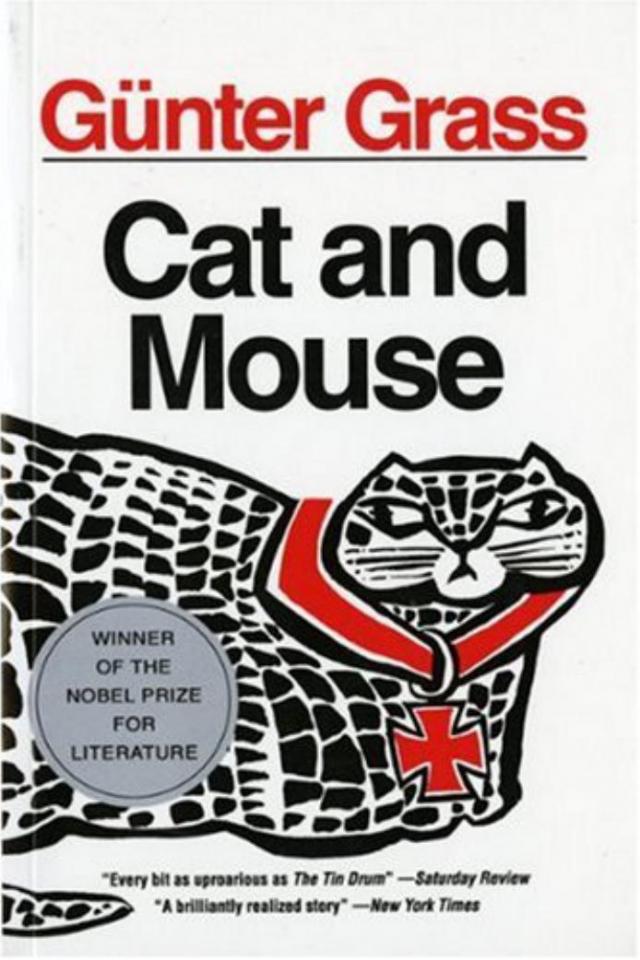
Cat and Mouse

Cat and Mouse

Günter Grass

Günter Grass

The setting is Danzig during World War II. The narrator recalls a boyhood scene in which a black cat pounces on his friend Mahlke’s “mouse”-his prominent Adam’s apple. This incident sets off a wild series of events that ultimately leads to Mahlke’s becoming a national hero. Translated by Ralph Manheim. A Helen and Kurt Wolff Book
Read online
  • 712
The Plebeians Rehearse the Uprising

The Plebeians Rehearse the Uprising

Günter Grass

Günter Grass

In his first full-length play, Günter Grass takes Bertolt Brecht, the foremost modern German dramatist, as his key figure. On 17 June, 1953, the workers in East Germany rise in rebellion against oppressive measures, but their revolt lacks a voice and a leader. In the East German theatre of which he is the director, the famed Communist poet and playwright, Bertolt Brecht (named 'the boss' in the play), is shown rehearsing his adaption of Shakespeare's Coriolanus. The revolution spills over into the stage happenings as a workers' delegation requests that 'the Boss' lend the authority of his voice and fame to their demands for justice and freedom. The intellectual is shown in a tragic dilemma: reasoning keeps him from active commitment until it is too late. He becomes guilty of betraying the workers and his own self.
Read online
  • 676
The Tin Drum

The Tin Drum

Günter Grass

Günter Grass

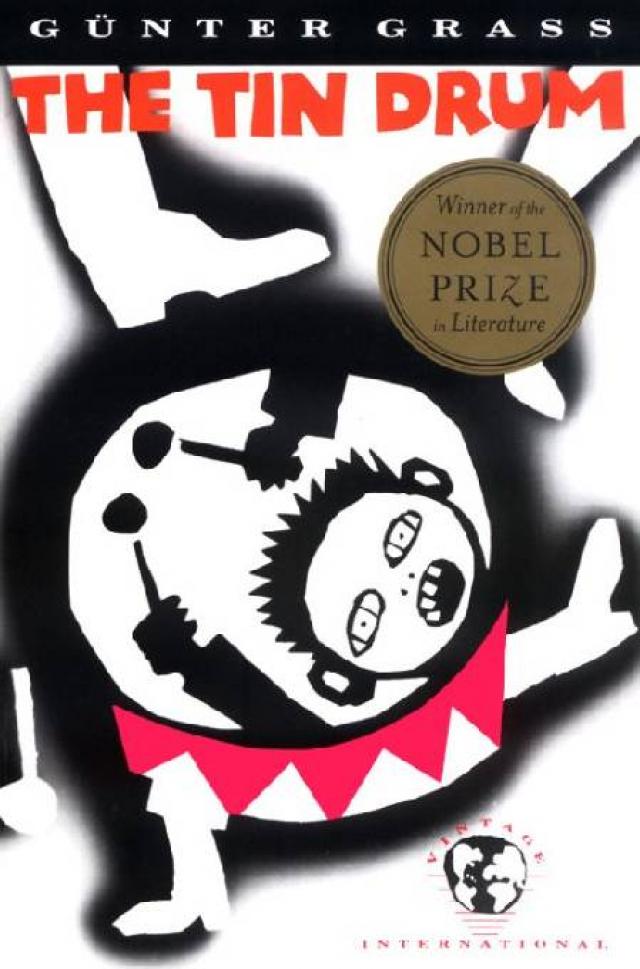
On his third birthday Oskar decides to stop growing. Haunted by the deaths of his parents and wielding his tin drum Oskar recounts the events of his extraordinary life; from the long nightmare of the Nazi era to his anarchic adventures in post-war Germany.
Read online
  • 564
The Call of the Toad

The Call of the Toad

Günter Grass

Günter Grass

A German art historian and a Polish art restorer find adventure and love in the cemetery business. Their vision is to offer plots in Gdansk to those Germans who had been exiled after World War II. A New York Times Notable Book of the Year. Line drawings by the Author. Translated by Ralph Manheim. A Helen and Kurt Wolff Book
Read online
  • 475
Dog Years

Dog Years

Günter Grass

Günter Grass

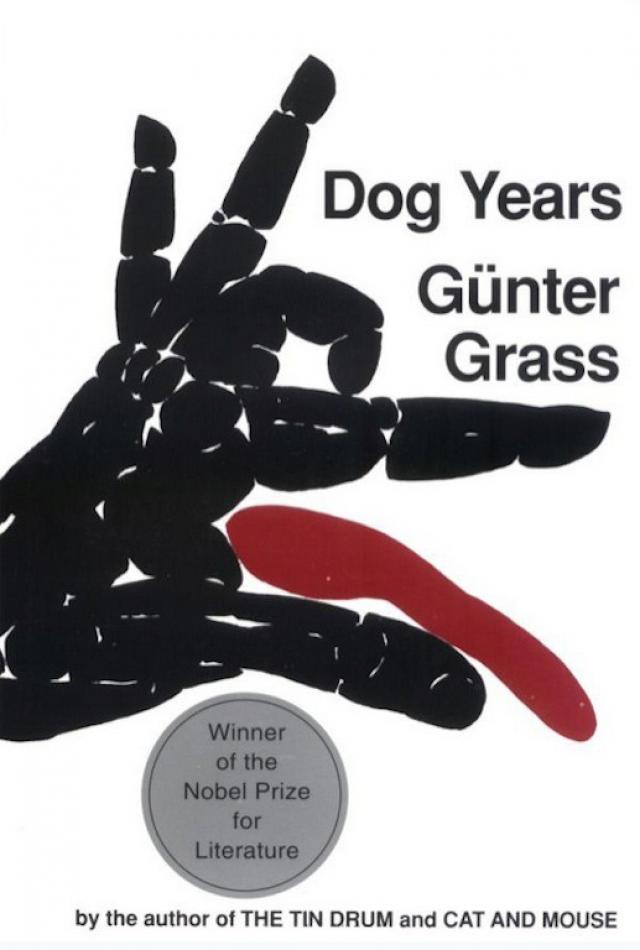
A novel set in three parts, beginning in the 1920s and ending in the 1950s, that follows the lives of two friends from the prewar years in Germany through an apocalyptic period and its startling aftermath. Translated by Ralph Manheim. A Helen and Kurt Wolff Book
Read online
  • 368
The Box

The Box

Günter Grass

Günter Grass

The sequel to Grass's controversial and successful book Peeling the Onion.Once upon a time there was a father who, because he had grown old, called together his sons and daughters - four, five, six, eight in number - and finally convinced them, after long hesitation, to do as he wished. Now they are sitting around a table and begin to talk...'In this delightful sequel to Peeling the Onion, Günter Grass writes in the voices of his eight children as they record memories of their childhoods, of growing up, of their father, who was always at work on a new book, always at the margins of their lives. Memories contradictory, critical, loving, accusatory - they piece together an intimate picture of this most public of men. To say nothing of Marie, Grass's assistant, a family friend of many years, perhaps even a lover, whose snapshots taken with an old-fashioned Agfa box camera provide the author with ideas for his work. But her images offer much more. They reveal a...
Read online
  • 43
The Tin Drum d-1

The Tin Drum d-1

Günter Grass

Günter Grass

Acclaimed as the greatest German novel written since the end of World War II, The Tin Drum is the autobiography of thirty-year-old Oskar Matzerath, who has lived through the long Nazi nightmare and who, as the novel begins, is being held in a mental institution. Willfully stunting his growth at three feet for many years, wielding his tin drum and piercing scream as anarchistic weapons, he provides a profound yet hilarious perspective on both German history and the human condition in the modern world. Translated from the German by Ralph Manheim.
Read online
  • 43
Dog Years

Dog Years

Günter Grass

Günter Grass

In this ferocious novel of the Hitler years and their aftermath, the author of The Tin Drum tells a brilliant bizarre and savage tale of "the love-hate and blood brotherhood of Nazi and Jew. . . The strongest, most inventive writer to have emerged in Germany since 1945. . . Much of what is active conscience in the Germany of Krupp and the Munich beer halls lies in this man's ribald keeping."—George Steiner, CommentaryGünter Grass was born in Danzig, Germany, in 1927. Sculptor, draftsman, novelist, playwright and poet, he has traveled widely in the United States and Europe. He is presently living in Berlin with his Swiss wife and their children.His first novel, The Tin Drum, published in 1963, p been translated into every major European language. Cat and Mouse has the same milieu as The Tin Drum—Danzig and its petty bourgeoisie. Dog Years is his third novel.Mr. Grass has been internationally acclaimed as one of the most imaginative and powerful contemporary novelists. Time has called him "Probably the most inventive talent to be heard from anywhere since the war."
Read online
  • 33
183